"The Doe Network" : International Center for Unidentified & Missing PersonsCriteria For Case Files
Unidentified Victims'
cases are selected for our main site if they meet the following criteria:
The victim died prior to or during the year 2008 in North America, Australia, or Europe
The case is filed with a law enforcement agency
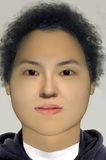
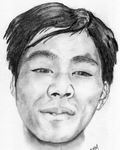
It is preferable that reconstructed image or a picture of the victim is available. Lacking that, we also feature pictures of tattoos, clothing or victim's possessions.
cases are considered for our "Hot Case" section of the site if they meet the following criteria:
The victim was located in North America, Australia, or Europe during the year 2009 or later
The case is filed with a law enforcement agency, and is requested by that agency to be posted as a "Hot Case."
A reconstructed image or a picture of the victim or his possessions is preferable. Lacking that, a "Hot Case" also features cases of unidentified victims that have no images available, but do have unique identifying characteristics.
Cases are also added without a specific request from Law Enforcement / Medical Examiner. These cases come from official or state/provincial websites and are added as a public service to the victims and their families. These cases include victims that have specific identifying characteristics, but have no images available. Every effort will be taken to acquire Law Enforcement / Medical Examiner validation and consent.
Many of the Case Files featured have little evidence available. We provide details to even the sketchiest cases in the hope that someone will be able to give insights into what happened to the victim.
cases are selected for The Doe Network if they meet the following criteria:
The victim disappeared prior to or during the year 1999 in North America, Australia or Europe
The case has been filed with a law enforcement agency.
We can make exceptions if obtaining a missing persons report has been impossible.
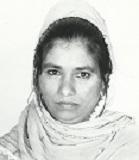
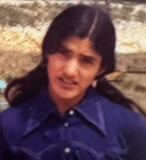
An image of the victim exists.
The Doe Network does feature cases involving both estranged and endangered runaways. Whereas the persons' disappearances may technically be explained, we do feature cases in which no contact with the runaways has been received in recent years.
We also feature cases of family abduction. These cases are selected if there were no further communications or sightings of the victim and abductor for more than nine years. The Doe Network
considers such cases to fall into the unexplained category, as the whereabouts and condition of the people involved are unknown.
The Doe Network
gives each Case File a unique ID number which is intended for organizational purposes of our site only. This number should not be given to other agencies when providing information on a particular case featured on our site.
We have provided the NCIC (National Crime Information Center) Numbers for US and Canadian cases which have one available.
In the instance that a NCIC Number is not available, please use the victim's information (such as names for disappearance cases and dates / circumstances for unidentified cases) when contacting other agencies.
There are five qualifications for eligibility as an NCIC case:
Disability: The victim has a mental / physical condition which can endanger himself / herself or others (victim can be any age)
Endangered:
Victim was involved or missing under circumstances which could be considered dangerous or suspicious to their well-being (victim can be any age);
Involuntary: Victim was taken against his or her will, i.e. kidnapping or abduction (victim can be any age);
Juvenile:
Victim was a minor (under 18 years of age) and does not fit into the additional NCIC categories. Cases which show little evidence suggesting the possibility of foul play or other endangerment are usually placed in this category (i.e. runaways);
Catastrophe Victim:
Victim disappeared during a natural catastrophe (i.e. earthquake or tornado) or during conditions in the outdoor environment which make it probable that an accident occurred (i.e., the victim disappeared during a rafting trip).
Please note: NCIC Numbers exist for both American and Canadian cases. They are NOT implemented for Australian or European cases.
Disclaimer
The Doe Network
is a 100% volunteer effort. We do receive and accept tips regarding cases featured on our site; we forward all relevant information to the proper agencies in charge. While Doe Network values your privacy, we will respond to court orders and/or requests made by law enforcement agencies in a timely manner regarding visitor information. We are not private detectives.